
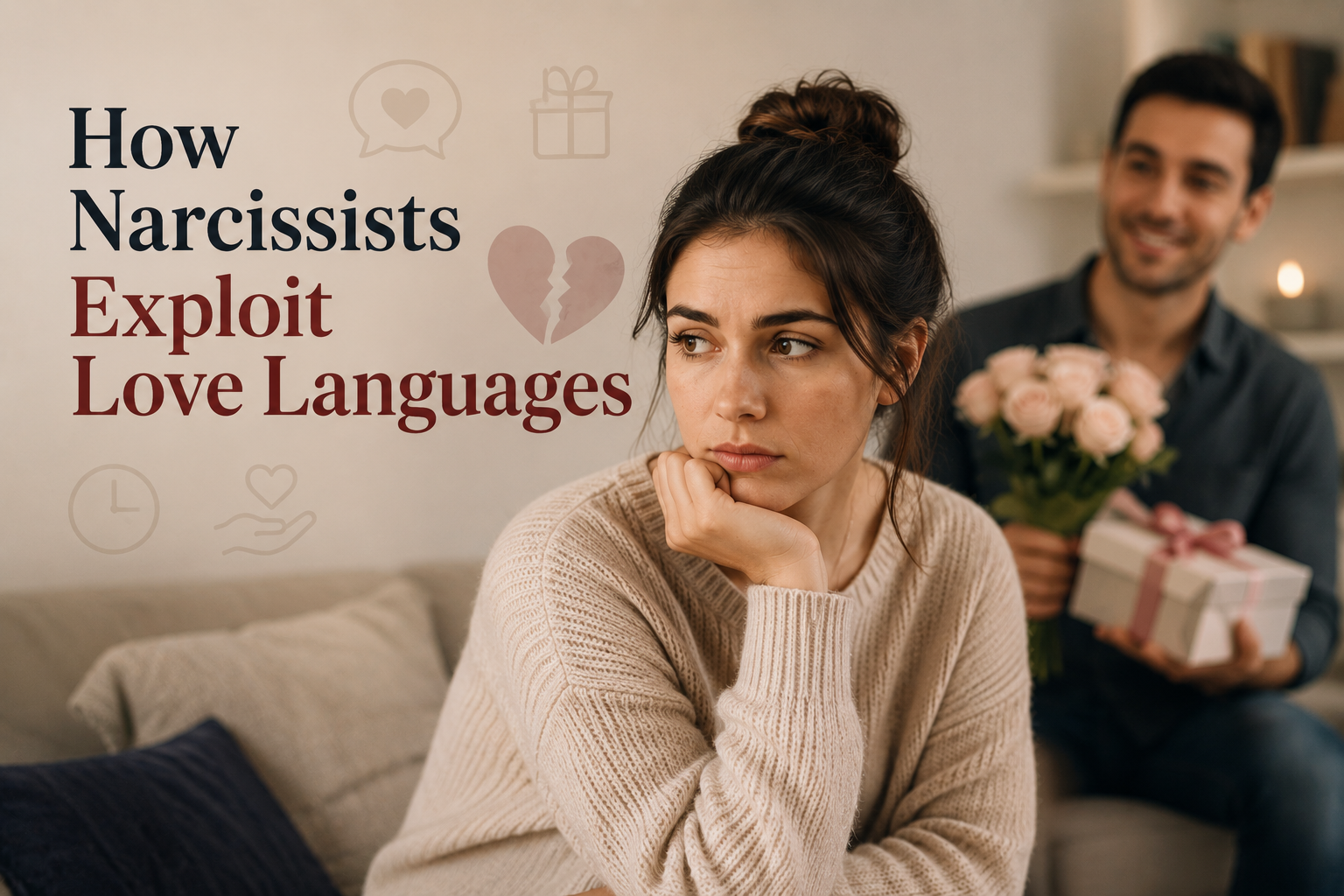
Love languages are meant to help people understand how they give and receive affection. Knowing whether your partner values quality time, words of affirmation, physical touch, gifts, or acts of service can strengthen a relationship and improve communication.
Unfortunately, the same knowledge can also be misused.
Narcissists are often skilled at identifying what makes people feel loved and appreciated. Instead of using that information to build a healthy connection, they may use it to gain trust, create emotional dependency, or maintain control. What begins as thoughtful attention can slowly turn into a tool for manipulation.
Understanding these patterns can help you recognize the difference between genuine affection and behavior designed to keep you emotionally attached.
Why Narcissists Pay Attention to Love Languages
Most narcissists crave admiration, attention, and validation. To get those things, they often study what matters most to the people around them.
If they learn that someone feels loved through compliments, they’ll offer endless praise. If gifts are important, they may shower that person with presents. The goal isn’t always generosity. Sometimes it’s influence.
This behavior often appears during the early stages of a relationship when everything feels exciting and intense.
Words of Affirmation
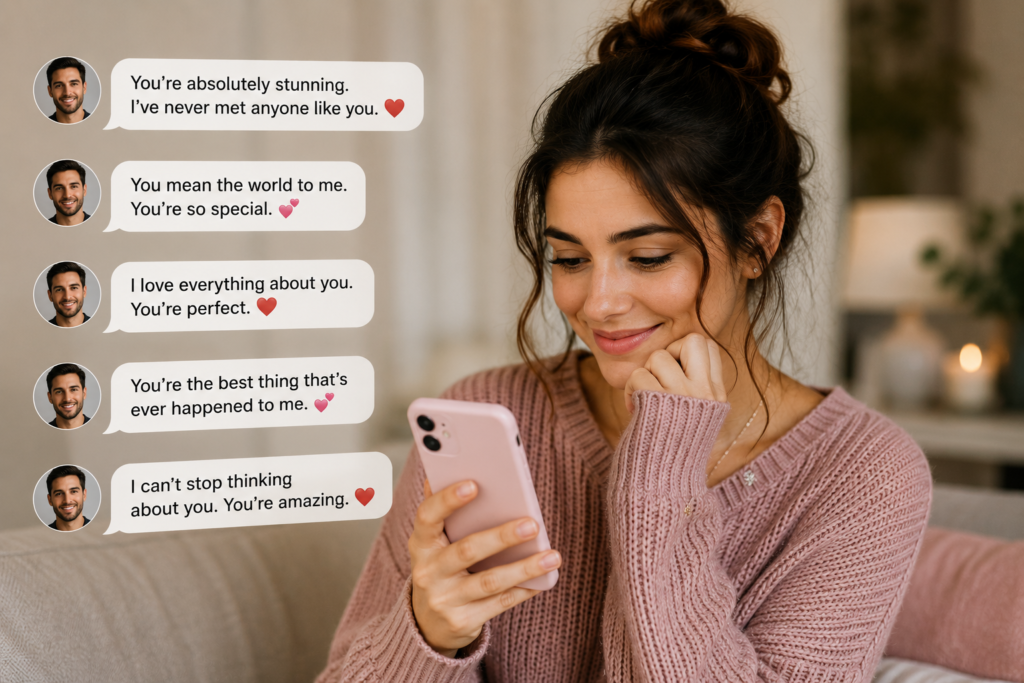
People who value words of affirmation feel loved through compliments, encouragement, and verbal appreciation.
A narcissist may quickly learn this and use excessive praise to build trust and emotional attachment.
How Manipulation Happens
- Constant compliments early in the relationship
- Over-the-top admiration that feels too good to be true
- Promises that are never supported by actions
- Using praise to gain compliance
Example
A narcissist might repeatedly tell a partner they’re perfect, special, or unlike anyone else, only to later use criticism to control their self-esteem.
Acts of Service
Some people feel most loved when others help them with responsibilities or daily tasks.
Narcissists may use helpful actions to create a sense of obligation.
How Manipulation Happens
- Doing favors that weren’t requested
- Keeping score of every helpful act
- Expecting loyalty in return
- Using guilt when appreciation isn’t shown
Example
A narcissist may remind someone of everything they’ve done for them whenever conflict arises.
Receiving Gifts
Gift-giving can be a thoughtful expression of affection. In unhealthy relationships, however, gifts can become tools of influence.
How Manipulation Happens
- Expensive gifts early in the relationship
- Gifts used to distract from bad behavior
- Creating a sense of debt or obligation
- Buying forgiveness instead of changing behavior
Example
After an argument or betrayal, a narcissist may offer an extravagant gift rather than take responsibility.
Quality Time
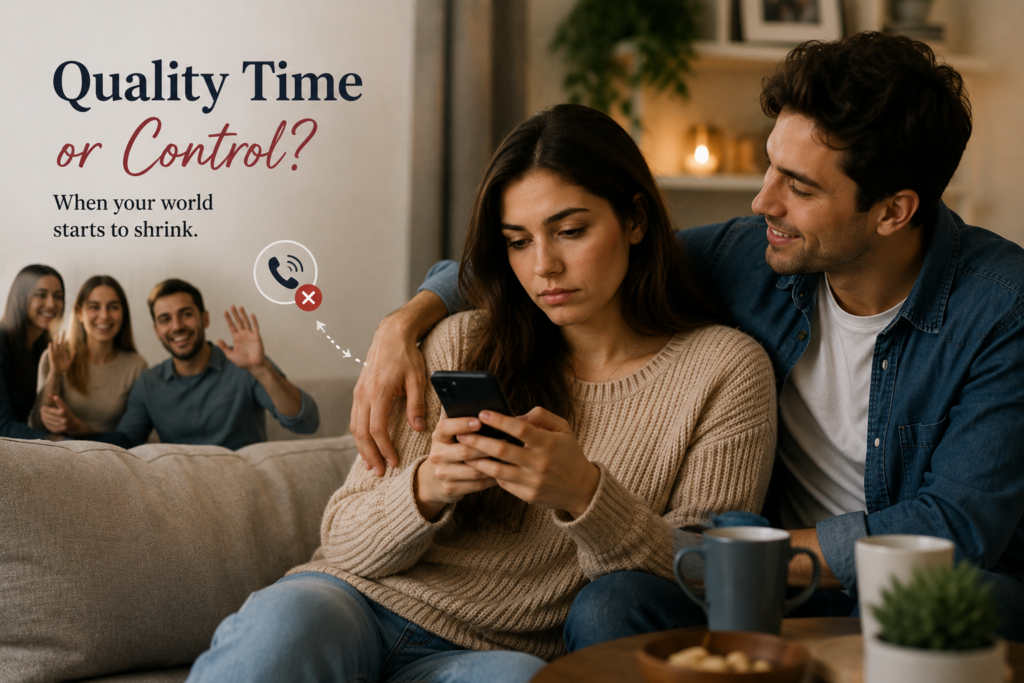
People who value quality time often appreciate meaningful conversations and shared experiences.
A narcissist may initially provide constant attention to create a strong emotional bond.
How Manipulation Happens
- Spending excessive time together early on
- Encouraging emotional dependency
- Becoming upset when their partner wants space
- Isolating someone from friends and family
Example
At first, constant attention feels romantic. Over time, it may become controlling.
Physical Touch
Physical affection can create closeness and security in a relationship.
Narcissists sometimes use physical touch strategically to maintain emotional influence.
How Manipulation Happens
- Intense affection during the honeymoon phase
- Withholding affection after disagreements
- Using intimacy as a reward or punishment
- Creating confusion through mixed signals
Example
A narcissist may become extremely affectionate after conflict to prevent their partner from addressing deeper issues.
Healthy Love vs Manipulation
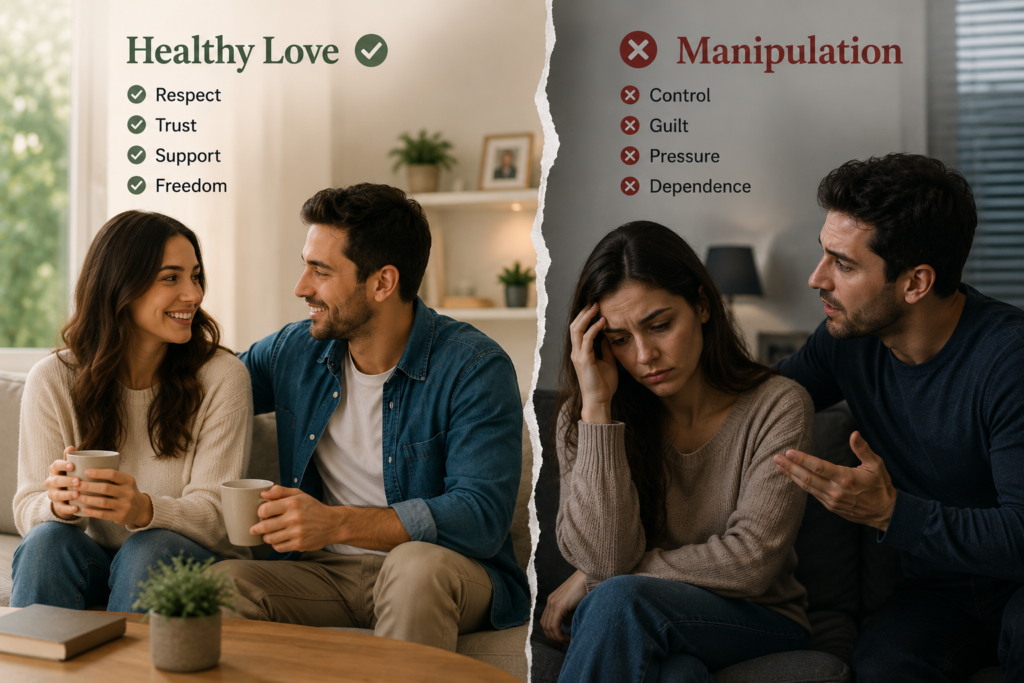
The difference often comes down to consistency and intent.
Healthy Love
- Respectful and balanced
- Doesn’t require repayment
- Remains consistent over time
- Respects boundaries
- Encourages independence
Manipulation
- Feels conditional
- Creates guilt or obligation
- Changes based on compliance
- Ignores boundaries
- Encourages dependency
A healthy partner uses love languages to strengthen connection. A narcissist may use them to gain control.
How Love Bombing Fits Into the Picture

Love bombing is one of the most common ways narcissists misuse love languages.
During this phase, they provide excessive affection, attention, compliments, gifts, or physical closeness. The goal is often to create a powerful emotional attachment before unhealthy behaviors emerge.
Because the affection feels so intense, many people overlook warning signs that would normally raise concerns.
Warning Signs to Watch For
Be cautious if affection comes with:
- Strings attached
- Pressure to move quickly
- Constant need for attention
- Guilt when boundaries are set
- Lack of accountability
- Hot-and-cold behavior
- Attempts to isolate you from others
These patterns matter more than the love language itself.
How to Protect Yourself
- Focus on Actions, Not Just Affection: Words and gestures should align with behavior over time.
- Maintain Your Independence: Healthy relationships support friendships, hobbies, and personal goals.
- Set Clear Boundaries: Pay attention to how someone reacts when you say no.
- Look for Consistency: Genuine affection remains steady rather than appearing only when someone wants something.
FAQs
- Can narcissists use all five love languages to manipulate?
Yes. Narcissists can use any love language if it helps them gain attention, trust, or control. - What is the most common love language narcissists exploit?
- It depends on the individual, but words of affirmation and quality time are often used during love bombing.
- Does giving gifts always indicate manipulation?
No. Gifts become problematic when they’re used to create guilt, obligation, or forgiveness without accountability. - How can you tell if affection is genuine?
Healthy affection is consistent, respectful, and doesn’t come with conditions or expectations of control.
Conclusion
Love languages can strengthen relationships when they’re used with care, respect, and genuine affection. The problem isn’t the love language itself it’s how it’s used.
Narcissists often learn what makes people feel loved and then use that knowledge to build trust, create dependency, or avoid accountability. Recognizing these patterns can help you separate authentic connection from manipulation and protect yourself from unhealthy relationship dynamics.
The healthiest relationships don’t rely on control. They rely on mutual respect, consistency, and emotional honesty.