

Ever found yourself staring at that pregnancy test, heart flipping, only to feel more confused than hopeful? Or wondered why your body seems to fight against the one thing you want the most? Welcome to the secret world of PCOD and pregnancy risks—a place where hope and frustration often dance closely.
Most people think Polycystic Ovary Syndrome (PCOD) is just about irregular periods or struggling to lose weight. But when pregnancy enters the picture, things get a bit messier than you’d expect.
Why does getting pregnant with PCOD feel like walking a tightrope?
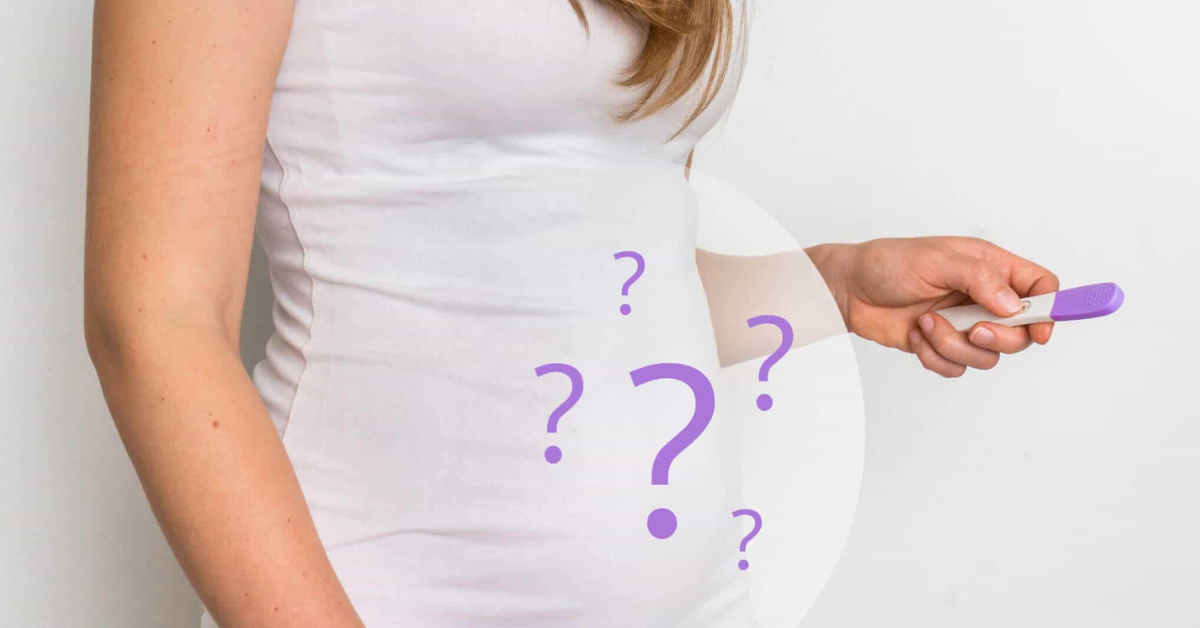
Take Sarah’s story: After years of battling unpredictable cycles and endless doctor visits, she got pregnant. The joy was real, but so was the anxiety. Her doctor warned her about risks like gestational diabetes and preeclampsia, making every ultrasound appointment feel like a cliffhanger. What if the baby’s growth slowed? What if complications popped up out of nowhere? The excitement was shadowed by fear, and every symptom felt like a signal flare.
But here’s the twist: These risks don’t come from PCOD itself, but how the condition messes with hormones and metabolism—those behind-the-scenes puppeteers of pregnancy.
The “Aha” Moment: What PCOD really means for pregnancy
Let’s unpack that. With PCOD, insulin resistance is like that annoying roommate who never pays rent—it disrupts the harmony. This can spike your blood sugar, making gestational diabetes more than just a scary phrase. Plus, higher androgen levels can mess with the uterine environment, sometimes leading to early pregnancy loss or preterm labor. It’s not about luck or willpower; it’s about the biology playing its tricky cards.
What’s wild is how many women carry this invisible burden silently. “I thought I was the only one who stressed about every little twinge,” Sarah confessed. “Then I realized, PCOD doesn’t just steal your periods—it can steal your peace of mind during pregnancy, too.”
So, what if you tried to see PCOD from a different angle?
Instead of letting fears run the show, what if you treated your body like your most trusted teammate? Tracking symptoms without judgment, asking for help without apology, and giving yourself credit for handling the chaos day by day.
Here’s some practical magic to ease this journey:
- Get familiar with your body’s signals. Notice how your energy dips or cravings spike, and share these with your healthcare provider—they’re clues, not complaints.
- Find your “village.” Whether it’s a support group, a friend who gets it, or an empathetic doctor, having someone to lean on transforms “risk” into “team effort.”
- Focus on what feels doable, not perfect. Swapping one sugary drink for water today is progress. Trying to overhaul your entire diet tomorrow is a setup for stress.
- Practice gentle self-talk. When fear creeps in, remind yourself: “I’m not alone in this, and I’m doing the best I can.”
Because here’s the real kicker: PCOD doesn’t define your pregnancy story. It colors it, sure—but you’re the author.
What if the biggest risk isn’t just medical?
What if the biggest gamble is how you let fear shape your experience? Many women tell me they felt isolated, like their worries were too heavy to share. But vulnerability isn’t weakness—it’s the secret sauce to connection and healing.
So, next time you catch yourself bracing for “the worst,” pause. Ask yourself, “What am I really afraid of?” and then gently remind your inner voice, “I’ve got this—even on the days I don’t feel like it.”
Because pregnancy with PCOD isn’t just about dodging risks—it’s about embracing the messiness, the hope, and yes, even the beauty in the unknown.