
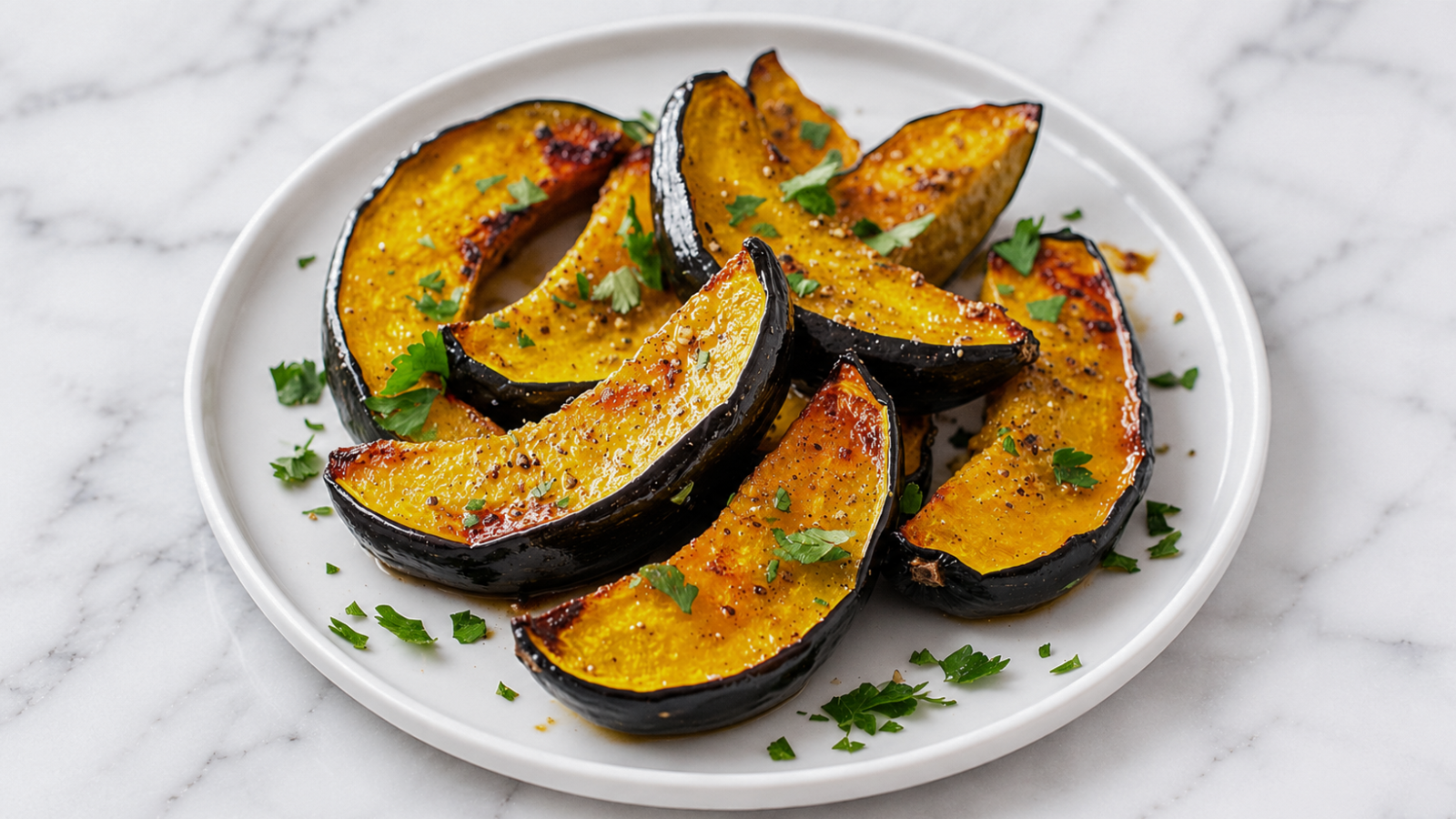
Have you ever tried making a new side dish just to surprise someone at dinner? That’s exactly what happened when my boyfriend and I planned a seasonal dinner together.
I wanted to make something a little different from our usual roasted vegetables, so I picked up an acorn squash and decided to experiment with honey, melted butter, and a little cinnamon.
I wasn’t sure how a sweet vegetable side dish would go over, but I was curious to find out! 😂
Once the squash came out of the oven, those golden edges and tender centers looked too good to resist.
The honey created a lightly sweet coating, while the butter and cinnamon added just enough richness and warmth without overpowering the squash.
It turned out to be a lovely addition to our dinner, and one I’m happy to make again for another date night. ❤️
Here’s Why I Keep Coming Back to This Squash Recipe
- Minimal Preparation: Most of the preparation involves cutting the squash and mixing a few ingredients together.
- One-Pan Cooking: Everything roasts on a single baking sheet, which means fewer dishes to wash after dinner.
- Seasonal Ingredient: Acorn squash is a wonderful fall and winter vegetable that deserves more attention beyond soups and purees.
- Flexible Portions: You can easily adjust the number of squash wedges depending on how many people you’re feeding.
- Beginner-Friendly Method: There are no complicated cooking techniques or special equipment requirements.
- Useful for Holiday Planning: The squash can be cleaned and sliced ahead of time, making dinner preparation easier when you’re cooking several dishes.
Getting to Know the Ingredients
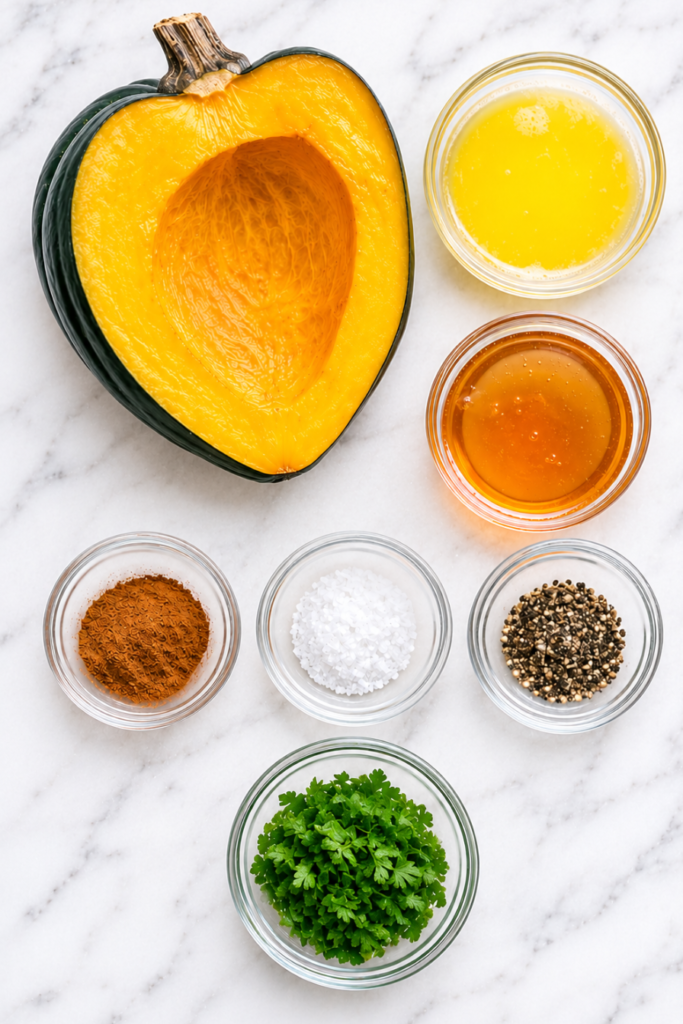
- Acorn Squash: Choose two medium-sized squash that feel firm and heavy for their size. Look for dark green skin with a little orange coloring. Butternut squash can also be used, although its shape and cooking time will differ.
- Unsalted Butter: Butter forms the base of the honey coating and allows the seasonings to spread evenly. Unsalted butter gives you better control over the overall saltiness. Salted butter works too if you adjust the added salt.
- Honey: Regular honey is ideal for this recipe. It adds sweetness and helps create caramelized edges during roasting. Maple syrup is another option if you want a slightly different flavor profile.
- Ground Cinnamon: A small amount of cinnamon complements the natural sweetness of acorn squash. Use freshly opened ground cinnamon for a more noticeable aroma.
- Salt and Black Pepper: These seasonings balance the honey and prevent the finished dish from tasting overly sweet. Freshly ground black pepper works particularly well.
- Fresh Parsley: Chopped parsley adds a fresh finishing touch and gives the roasted squash a little color. Fresh thyme can also be used as a garnish if preferred.
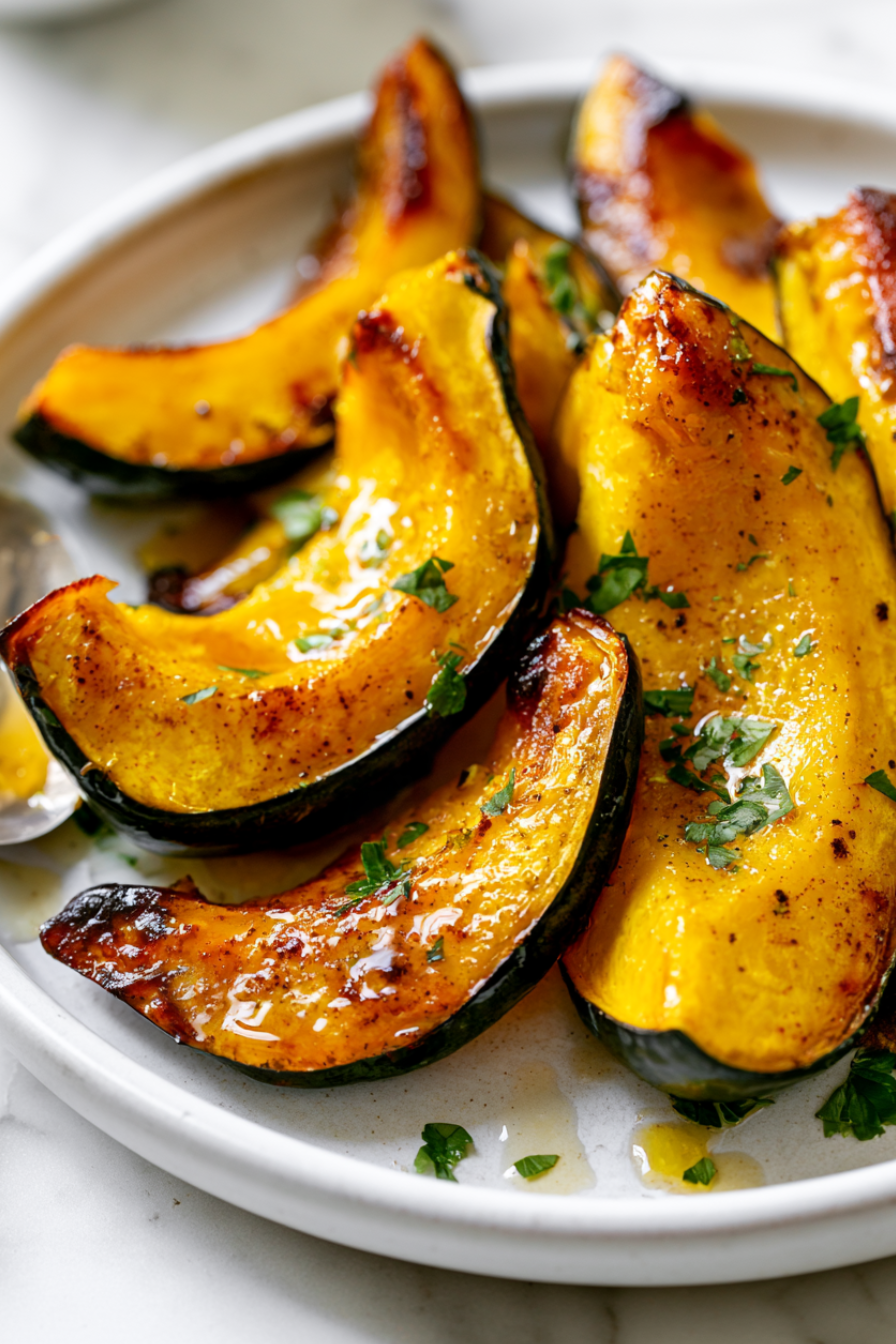
A Little Tip Before Roasting: Brush the honey butter mixture over both sides of the squash wedges rather than coating only the tops. This helps distribute the seasoning more evenly and gives the cut surfaces better coverage during roasting.
Honey Butter Roasted Acorn Squash Recipe
Ingredients
Equipment
Method
- Preheat your oven to 400°F (200°C). Line a large baking sheet with parchment paper. Wash the acorn squash thoroughly, cut each squash in half, and scoop out the seeds and stringy center with a spoon. Slice the squash into evenly sized wedges so they roast at the same rate.
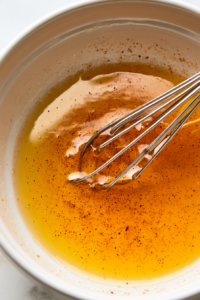
- Add the melted butter, honey, cinnamon, salt, and black pepper to a small mixing bowl. Whisk everything together until well combined. The mixture should be smooth and easy to brush over the squash.
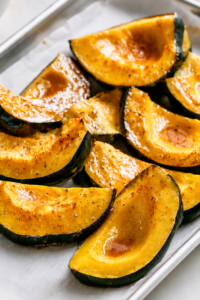
- Arrange the acorn squash wedges in a single layer on the prepared baking sheet. Brush the honey butter mixture generously over both sides of each wedge, making sure the cut surfaces are well coated.
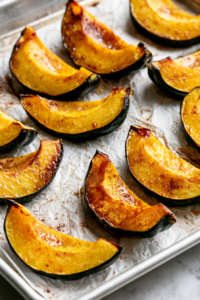
- Place the baking sheet in the preheated oven and roast for 30–35 minutes, flipping the wedges halfway through cooking. The squash is ready when the flesh is fork-tender and the edges are lightly caramelized and golden brown.
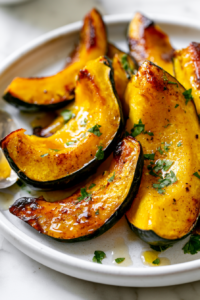
- Remove the roasted acorn squash from the oven and let it rest for a few minutes. Transfer the wedges to a serving platter, drizzle with any remaining honey butter from the baking sheet, and sprinkle with fresh chopped parsley. Serve warm.
Five Delicious Ways to Serve These Squash Wedges
- Roasted Chicken: Pair the squash with oven-roasted chicken for a satisfying family dinner.
- Thanksgiving Turkey: Add these honey butter squash wedges to your holiday table alongside roasted turkey, mashed potatoes, and green bean casserole.
- Pork Chops: Serve with pan-seared or oven-baked pork chops for a delicious balance of sweet and savory flavors.
- Grain Bowls: Add roasted squash to quinoa or farro bowls with leafy greens, toasted pecans, and crumbled feta.
- Holiday Side Dish: Include it in your Christmas dinner spread with roasted vegetables, stuffing, and your favorite main course.
The Nutritional Breakdown Per Serving
- Calories: 220 kcal
- Carbohydrates: 36 g
- Protein: 2 g
- Fat: 10 g
- Saturated Fat: 6 g
- Fiber: 4 g
- Sugar: 14 g
- Sodium: 300 mg
Creative Ways to Give Your Roasted Acorn Squash a New Twist
- Maple Butter Squash: Replace the honey with maple syrup for a different natural sweetener and a deeper maple flavor.
- Garlic Herb Squash: Add minced garlic and finely chopped fresh rosemary to the butter mixture for a more savory variation.
- Brown Sugar Cinnamon Squash: Add a tablespoon of brown sugar alongside the honey for a richer caramel-like sweetness.
- Spicy Honey Squash: Mix a pinch of cayenne pepper or crushed red pepper flakes into the honey butter for a gentle kick.
- Pecan Topped Squash: Sprinkle chopped toasted pecans over the finished wedges for an additional crunchy element.
- Parmesan Acorn Squash: Add finely grated Parmesan during the final few minutes of roasting for a savory, cheesy variation.
- Fresh Thyme Squash: Replace the parsley garnish with fresh thyme leaves for an aromatic finishing touch.
A Little More Inspiration for Your Dinner Table
- Parmesan Roasted Butternut Squash Recipe
- Maple Glazed Roasted Carrots Recipe
- Balsamic Brussels Sprouts with Cranberries Recipe
- Creamy Garlic Mashed Potatoes Recipe
- Homemade Green Bean Casserole Recipe
From the Refrigerator to the Dinner Plate Again
- Cool Before Storing: Allow the roasted squash to cool slightly before transferring it to a storage container. Avoid leaving cooked vegetables at room temperature for more than two hours.
- Refrigerator Storage: Place leftover wedges in an airtight container and refrigerate for up to 4 days.
- Freezer Storage: Freeze cooled portions in a freezer-safe container for up to 2 months. Keep in mind that freezing may soften the squash after thawing.
- Reheating: Reheat in an oven at 350°F until warmed through. An air fryer also works well for reheating smaller portions.
- Freshness Tip: Store the squash in a shallow airtight container rather than piling several hot wedges together. This helps it cool more evenly before refrigeration.
Frequently Asked Questions
- What does acorn squash taste like?
Acorn squash has a mild, slightly nutty flavor with natural sweetness. Its taste is similar to butternut squash, but it is a little less sweet. This makes it suitable for both sweet and savory recipes. - Is acorn squash healthy?
Yes, acorn squash is a nutritious vegetable that provides dietary fiber, vitamin C, potassium, and carotenoids that the body can convert into vitamin A. It can be a healthy addition to a balanced diet. Its overall nutritional value depends on the portion size and ingredients used in preparation. - Can I eat acorn squash raw?
Acorn squash can technically be eaten raw, but its flesh is quite firm and less pleasant to chew. Cooking softens the flesh and makes it easier to enjoy. Roasting, steaming, and baking are common preparation methods. - How do you remove the seeds from acorn squash?
Cut the squash in half from stem to bottom and use a sturdy spoon to scoop out the seeds and stringy pulp. Scrape the center gently until it is clean. The squash is then ready to slice or prepare for cooking. - What is the best season to buy acorn squash?
Fall and winter are generally the best seasons to buy acorn squash. Look for squash that feels firm and heavy for its size, with dark green skin and some orange coloring. It is also commonly available in grocery stores throughout the year.