
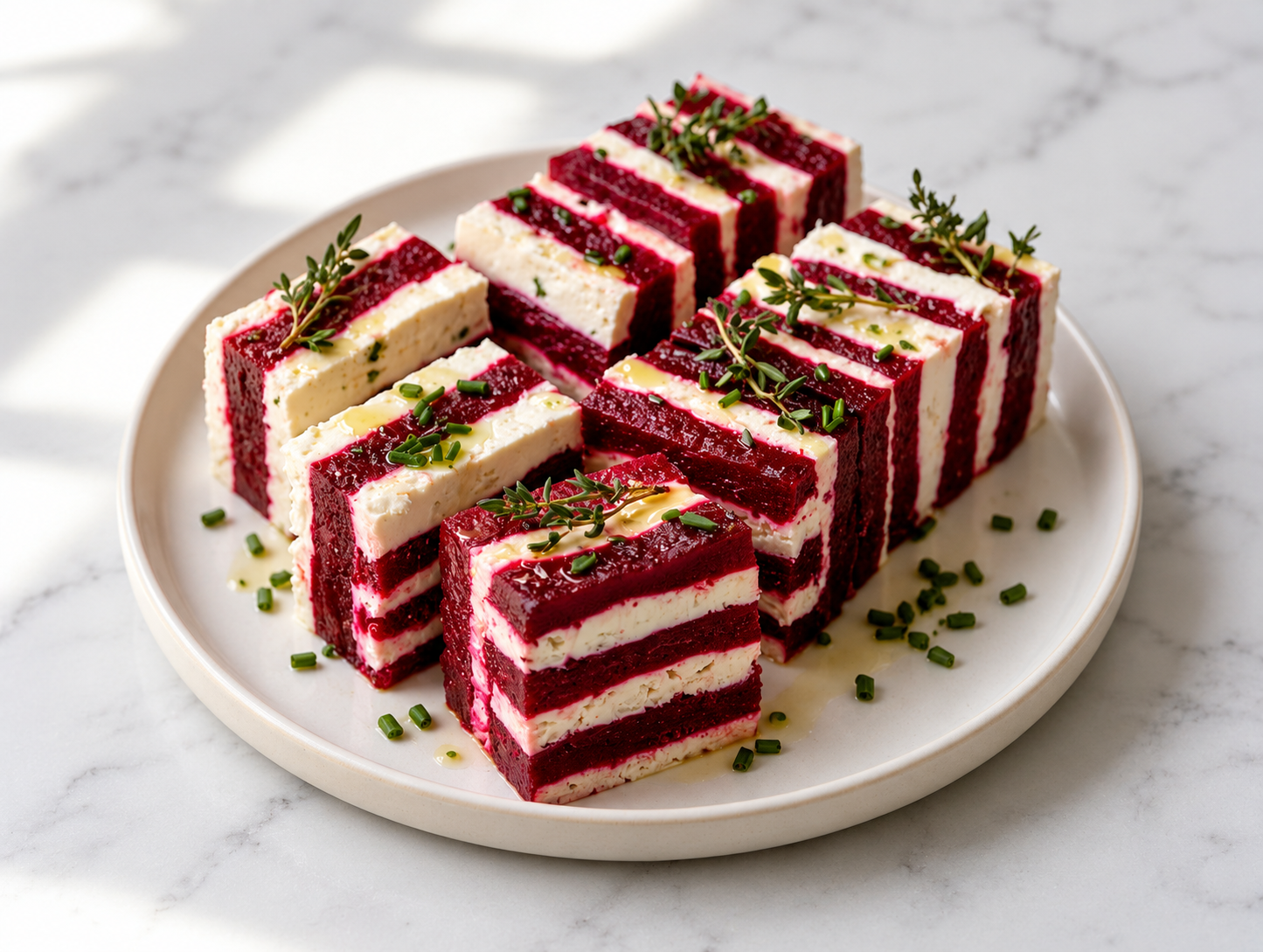
You know when you want to make something special for date night instead of having your usual dinner? That’s how this Beetroot and Goat Cheese Terrine came about ❤️
We wanted to enjoy dinner at home while trying something different.
Beetroot and goat cheese seemed like a good match, so we brought them together in this simple dish.
The sweet beetroot pairs so well with the creamy, tangy goat cheese. The colorful layers look beautiful when sliced, and a few fresh herbs finish it off nicely.
This terrine makes a lovely starter for a date night at home. It looks elegant on the plate without needing complicated ingredients or much fuss.
If you’re planning dinner with your partner and want to try something a little different, this Beetroot and Goat Cheese Terrine is worth making.
Why This Beetroot Terrine Is Worth Making
- Make it ahead: Prepare the terrine several hours before serving, giving you more time to focus on the rest of the meal.
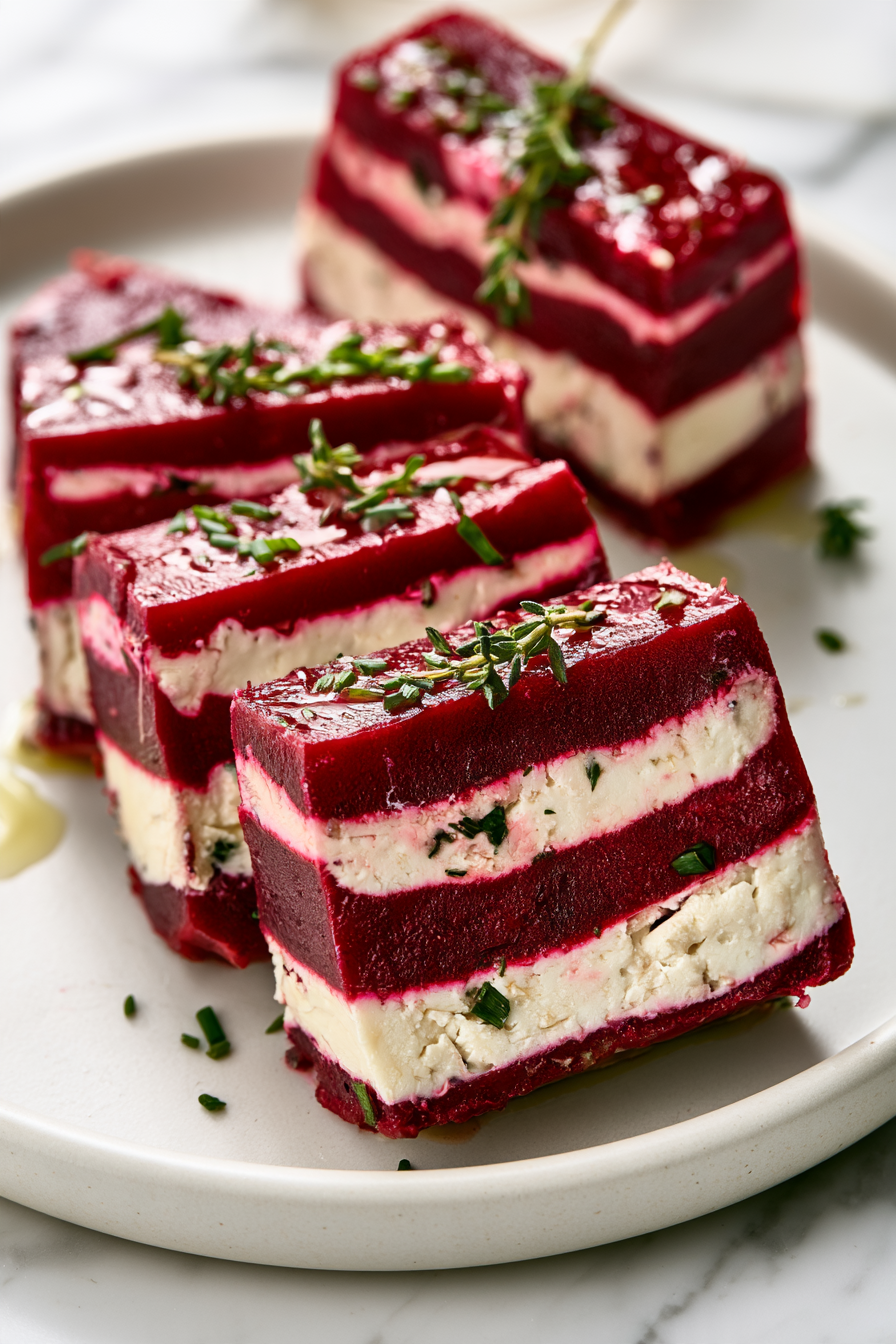
- A beautiful presentation: The alternating layers create a striking pattern when sliced, making even a simple appetizer feel special.
- No complicated techniques: Once the beetroot is cooked, the rest involves mixing, layering, and chilling.
- Easy to portion: Slice the terrine into individual servings for a dinner party or appetizer platter.
- Flexible cooking method: Roast the beetroot for a deeper, sweeter taste or boil it if that better suits your kitchen.
- Fresh herbs add character: Chives and thyme bring gentle savory notes without overpowering the beetroot or goat cheese.
Ingredients That Make the Difference
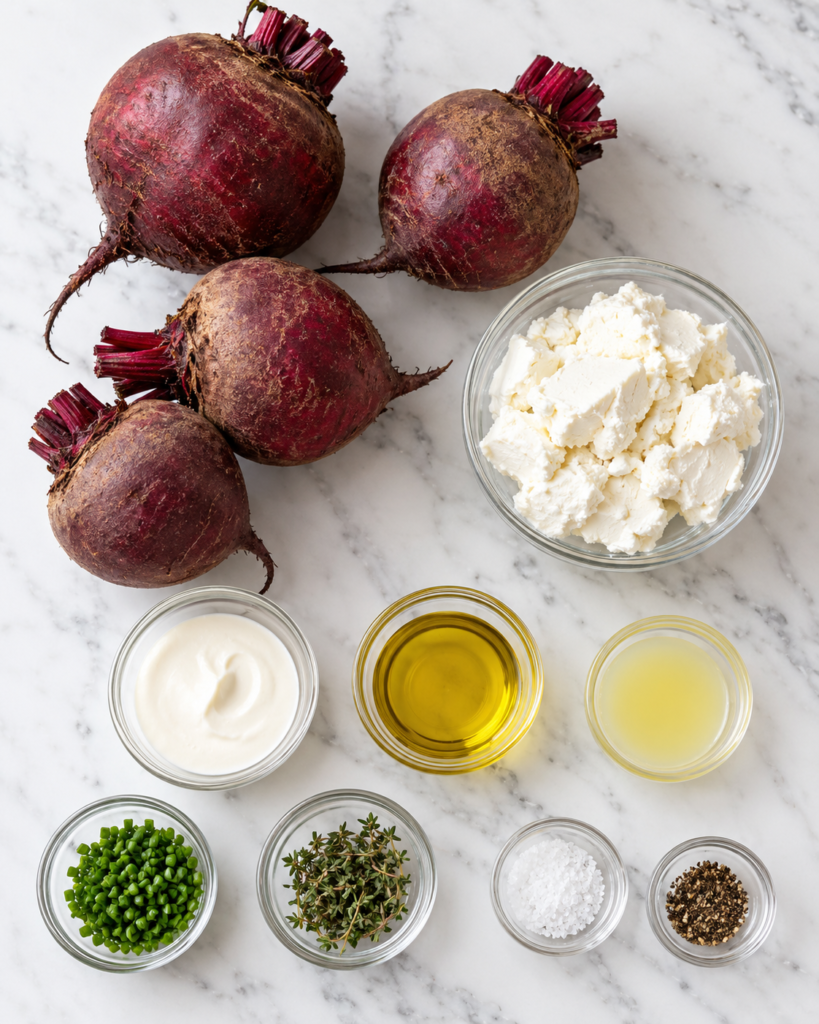
- Beetroot: Use fresh, firm beets that are similar in size so they cook evenly. Slice them thinly and consistently to create neat layers. Roasting helps concentrate their natural sweetness.
- Soft goat cheese: Choose a creamy goat cheese that can be spread easily. Its tangy flavor balances the earthy beetroot.
- Heavy cream or plain Greek yogurt: Either option softens the cheese and makes it easier to spread. Cream creates a richer filling, while Greek yogurt adds a slightly tangier finish.
- Extra-virgin olive oil and lemon juice: Olive oil adds smoothness, while lemon juice brightens the filling and balances the richness of the cheese.
- Fresh chives and thyme: Chives offer a mild onion flavor, and thyme contributes a subtle herbal aroma. Fresh herbs work especially well in this simple preparation.
- Salt and freshly ground black pepper: Season the cheese mixture before layering. Goat cheese can already be salty, so start with the listed amount and adjust to taste.
Chef’s Tip: Let the cooked beetroot cool completely and pat the slices dry before assembling the terrine. Excess moisture can make the layers slippery and prevent the finished slices from holding their shape.
Beetroot and Goat Cheese Recipe
Ingredients
Equipment
Method
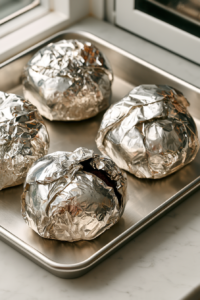
- Preheat the oven to 400°F (200°C). Wash the beetroot and wrap each one in foil. Place them on a baking tray and roast for 45–60 minutes, depending on their size, until a knife slides easily into the center. Alternatively, boil them until tender.
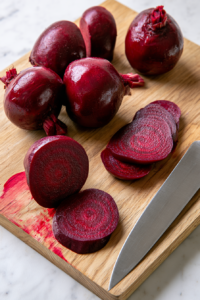
- Let the cooked beetroot cool enough to handle. Rub off the skins, trim the ends, and pat the beets dry. Slice them into thin, even rounds, about ⅛ inch thick. Keep the slices as uniform as possible for neat layers.
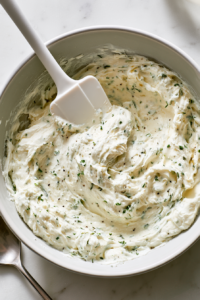
- Place the goat cheese in a bowl with the cream or Greek yogurt, olive oil, lemon juice, chives, thyme, salt, and black pepper. Mix until smooth and spreadable. If the cheese is very firm, add a little extra cream or yogurt.
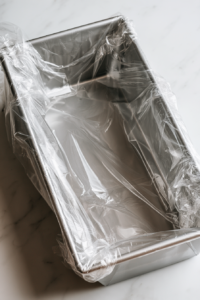
- Line an 8 × 4-inch loaf pan with plastic wrap, leaving enough overhang on the sides to cover the top later. Make sure the lining fits into the corners so the terrine is easier to remove.
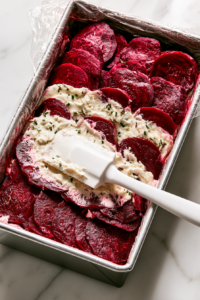
- Arrange a layer of beetroot slices across the bottom of the mold, overlapping them slightly. Spread a thin layer of goat cheese mixture over the beetroot. Continue alternating the beetroot and cheese until all the ingredients are used, finishing with a layer of beetroot.
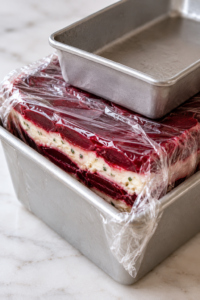
- Fold the plastic wrap over the top. Place a small, flat weight on top if desired, using gentle pressure to help the layers hold together. Refrigerate for at least 4 hours, or overnight, until firm.
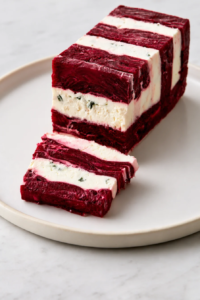
- Open the plastic wrap and turn the terrine onto a serving plate. Carefully remove the mold and peel away the remaining wrap. Use a sharp knife to cut clean slices, wiping the blade between cuts.
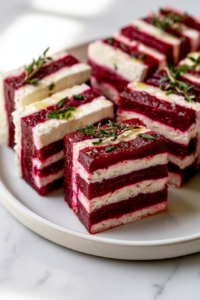
- Finish with a few fresh thyme leaves or chopped chives and a light drizzle of olive oil. Serve chilled with toasted bread, crackers, or a fresh green salad.
Nutrition Information
| Nutrient | Approximate amount per serving |
|---|---|
| Calories | 165 |
| Carbohydrates | 12 g |
| Protein | 7 g |
| Fat | 10 g |
| Fiber | 3 g |
| Sugar | 8 g |
| Sodium | 350 mg |
Common Problems and How to Fix Them
- The terrine falls apart when sliced: It may not have chilled long enough. Refrigerate it for at least four hours and check that the layers feel firm before unmolding.
- The layers slide against each other: Excess moisture on the beetroot can prevent the cheese from gripping. Pat each slice dry before assembling.
- The goat cheese is difficult to spread: Let it soften slightly at room temperature, then mix in the cream or yogurt until smooth.
- The slices look uneven: Use a sharp knife and aim for consistent beetroot thickness. Overlapping the rounds slightly also helps create a more stable structure.
- The terrine sticks to the mold: Line the pan carefully with plastic wrap, pressing it into the corners and leaving enough overhang to lift the terrine out.
- The flavor tastes too earthy: Check the seasoning in the cheese mixture. A little extra lemon juice can brighten the overall flavor without masking the beetroot.
Easy Ways to Customize
- Add toasted walnuts: Sprinkle a small amount of finely chopped toasted walnuts between the layers for a nutty flavor and extra crunch. Keep the pieces small so the terrine slices cleanly.
- Use a different herb combination: Try fresh dill or parsley in place of some of the chives for a slightly different herbal profile.
- Add a touch of orange zest: A little finely grated orange zest in the goat cheese mixture gives the earthy beetroot a fresh citrus note.
- Try golden beetroot: Replace some or all of the red beetroot with golden beets for a different color combination and a slightly milder flavor.
- Include a thin layer of greens: Add a small amount of finely chopped, well-dried fresh herbs between layers for more color and visual interest.
- Make individual portions: Assemble the layers in small lined ramekins or individual molds. Chilling and unmolding times may vary depending on the size.
- Adjust the cheese mixture: Use Greek yogurt for a tangier, lighter-feeling filling or heavy cream for a richer, smoother consistency.
How to Store leftovers
- Refrigerate promptly: Keep the terrine covered in an airtight container or tightly wrapped in the refrigerator at 40°F (4°C) or below.
- Use within three days: For the best texture and quality, enjoy the terrine within two to three days of preparation.
- Keep it covered: Exposure to air can dry the cheese filling and affect the color and freshness of the beetroot.
- Store it whole when possible: Leaving the terrine intact until serving helps preserve its shape and prevents the cut surfaces from drying out.
- Serve chilled: Remove only the portions you need and return the rest to the refrigerator promptly. Avoid leaving it at room temperature for more than two hours, or one hour when temperatures exceed 90°F (32°C).
Frequently Asked Questions
- Can I make beetroot and goat cheese terrine without an oven?
Yes. You can boil the beetroot instead of roasting it. Cook the beets until a knife slides easily into the center, then cool, peel, and slice them before assembling the terrine. - How thin should I slice the beetroot?
Aim for slices approximately ⅛ inch thick. Consistent thickness helps the layers fit together neatly and makes the terrine easier to cut. - What type of goat cheese works best?
Soft, fresh goat cheese is ideal because it mixes smoothly with the other ingredients and spreads easily between the beetroot layers. A very firm or aged goat cheese may produce a less creamy filling. - Can I use pre-cooked beetroot?
Yes, provided it is plain, fully cooked beetroot without added vinegar or strong seasonings. Drain it well and pat it dry before slicing to prevent excess moisture in the terrine. - Why is my goat cheese mixture too thick?
Goat cheese can vary in firmness depending on the brand and temperature. Mix in a small amount of additional cream or plain Greek yogurt until the filling becomes smooth and spreadable. - Do I need to press the terrine while it chills?
No. A small, flat weight is optional. Gentle pressure can help the layers settle together, but excessive weight may squeeze out the cheese mixture or distort the layers. - How can I get clean slices for serving?
Make sure the terrine is thoroughly chilled and firm. Use a sharp, thin-bladed knife, press straight down through the layers, and wipe the blade clean between cuts. - Can I use a round mold instead of a loaf pan?
Yes. A small round mold can work as long as it is lined well and allows you to build stable, even layers. The finished presentation will differ, and the exact number of slices may vary.