

Ever caught yourself staring blankly at a yoga pose, thinking, “How is this supposed to help my PCOD?” You’re not alone. Managing PCOD often feels like trying to solve a puzzle with half the pieces missing. You know you need to make changes, but where do you even start?
Here’s what I’ve noticed: most advice around PCOD focuses on diet or medication, but the body moves in ways that affect hormones more deeply than we realize. What if your yoga mat could become your secret weapon against PCOD’s sneaky symptoms?
Why Does PCOD Make Everything Feel So Tricky?

Imagine your hormones are throwing a wild party but forgot to send you the invite. Irregular periods, stubborn weight gain, mood swings—they all seem to crash the party without warning. Yoga, surprisingly, steps in by calming the chaos, soothing the guest list, and even tidying up the after-party mess.
Here’s the twist: the best yoga poses aren’t about crushing yourself into impossible shapes. It’s about poses that activate glands, reduce stress, and balance the nervous system. The moves that feel like a gentle reset button for your body.
What’s the “Aha” Behind These Yoga Poses?
Think of your adrenal glands and ovaries as old friends who got into a messy fight. Yoga acts like the mediator who helps them talk it out peacefully. Poses that open up the hips and stretch the lower back? They create space and release tension where it counts.
Even more fascinating: deep breathing during these poses tells your brain, “Hey, it’s cool. Chill out.” Because stress isn’t just a mood killer—it’s a hormone saboteur, especially when dealing with PCOD.
So what you get is a double whammy: stress reduction and hormonal harmony, both wrapped up in a yoga flow.
Where Do You Even Start? The PCOD-Friendly Yoga Poses to Try

- Viparita Karani (Legs-Up-The-Wall Pose): This one feels like a mini-vacation for your nervous system. It encourages blood flow to your pelvic area and calms your mind—a win-win.
- Baddha Konasana (Bound Angle Pose): Ever tried sitting like a butterfly? This opens your hips, which can relieve pelvic discomfort and boost reproductive organ function.
- Setu Bandhasana (Bridge Pose): It’s like a gentle squeeze for your thyroid and ovaries, helping those hormones stay in balance.
- Supta Baddha Konasana (Reclining Bound Angle Pose): Think of this as the yoga pose version of a cozy hug—perfect for calming the mind and encouraging your uterus to relax.
- Adho Mukha Svanasana (Downward Dog): Besides feeling like a full-body stretch, it supports circulation and hormone regulation by activating your endocrine system.
What If Yoga Isn’t Just Exercise but a Daily Ritual?
Imagine starting each day by rolling out your mat, not to force perfection but to check in—with your hormones, your stress level, and your body’s whispers. No pressure, no judgment, just curiosity. That’s where the magic sneaks in.
Here’s what one friend who lives with PCOD told me: “I began with just five minutes a day, focusing on breathing and gentle stretches. Slowly, the mood swings softened, and I felt more ‘me’ again.”
So, what if the solution isn’t about slaying a 90-minute power yoga session but about consistent little moments that add up? What if those moments unlock your body’s natural rhythm again?
Before You Roll Out Your Yoga Mat, Consider This
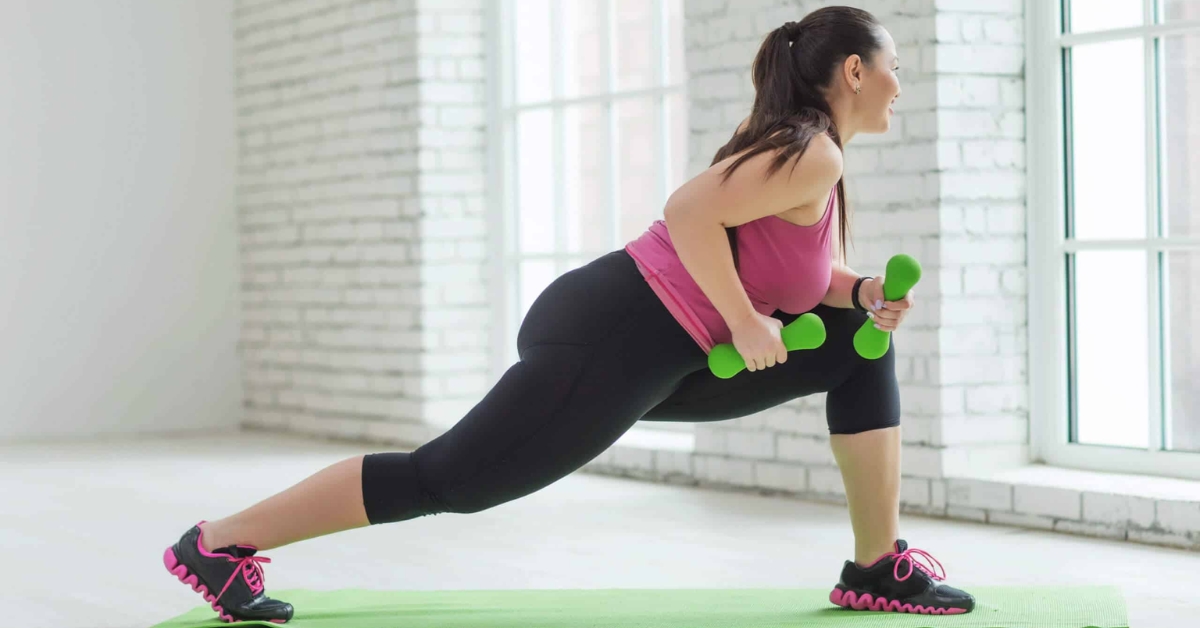
Yoga isn’t a quick fix or a guarantee. It’s a tool—a powerful one—but it loves company. Pair your poses with balanced eating, doctor visits, and maybe a chat with a yoga teacher who understands PCOD’s quirks.
And remember, the best yoga pose for PCOD is the one you actually do, regularly, with kindness toward yourself.
What’s Next? The Yoga Journey Just Begins
Here’s a thought to leave you with—could your PCOD story be rewritten, not by fighting your body, but by moving with it? Sometimes, healing isn’t about fixing the mess; it’s about dancing gently around it and trusting your body to lead.
So, when is the last time you invited your hormones to the yoga mat? Maybe today’s the day to start the conversation.