

Imagine sitting across from your best friend at a coffee shop, swapping stories about the endless cycle of PCOD symptoms—mood swings, tired mornings, unpredictable periods. You nod along, because yeah, you’ve been there too. But then they drop a bombshell: it’s not just about “eating less sugar.” There’s a whole diet dance that many never get told about.
Here’s the plot twist: PCOD diets aren’t just about restriction; they’re about rhythm. Eating isn’t a punishment but a secret weapon. What if what you eat could rewrite the story of your PCOD struggles? Instead of feeling trapped by your symptoms, what if your plate was where your power began?
Why Does It Feel Like No Diet Ever Works?
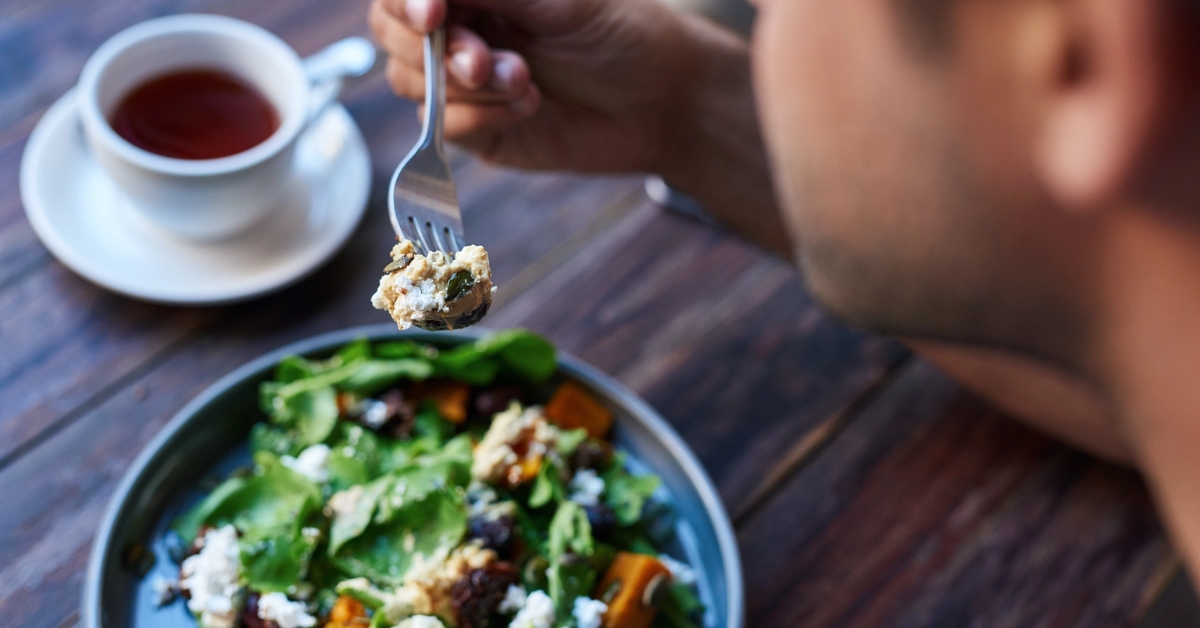
Ever tried cutting carbs, only to be hit by that almost sad craving that makes you cave in? Or maybe you swapped your favorite pizza for salad and still saw no difference. I’ve noticed this happens because most PCOD diet advice misses one thing—the cravings and hormonal chaos are in a secret tug-of-war with your brain and body. Fighting food like a villain doesn’t work when your hormones are playing puppet master.
Traditional diets have centuries-old wisdom wrapped in spices and colors that many modern PCOD plans overlook. Foods aren’t enemies; they’re clues to balancing insulin resistance, a tricky partner in PCOD’s drama.
The “Aha” Moment: What If Your Diet Chart Could Be Your PCOD Ally?
Picture this: instead of feeling guilty over that samosa you couldn’t resist, you discover a way to include it thoughtfully in your diet plan. Or switching from boring diets to one that spices up health with turmeric, fenugreek, and moong dal. What happens when every meal feels less like a chore and more like a crafted love letter to your body?
Here’s what I’ve noticed — women who embrace balanced diet plans don’t just manage their symptoms; they reclaim bursts of energy and mood highs that feel like a surprise gift, not a daily grind.
Practical Magic: What Does a PCOD Diet Plan Chart Look Like?
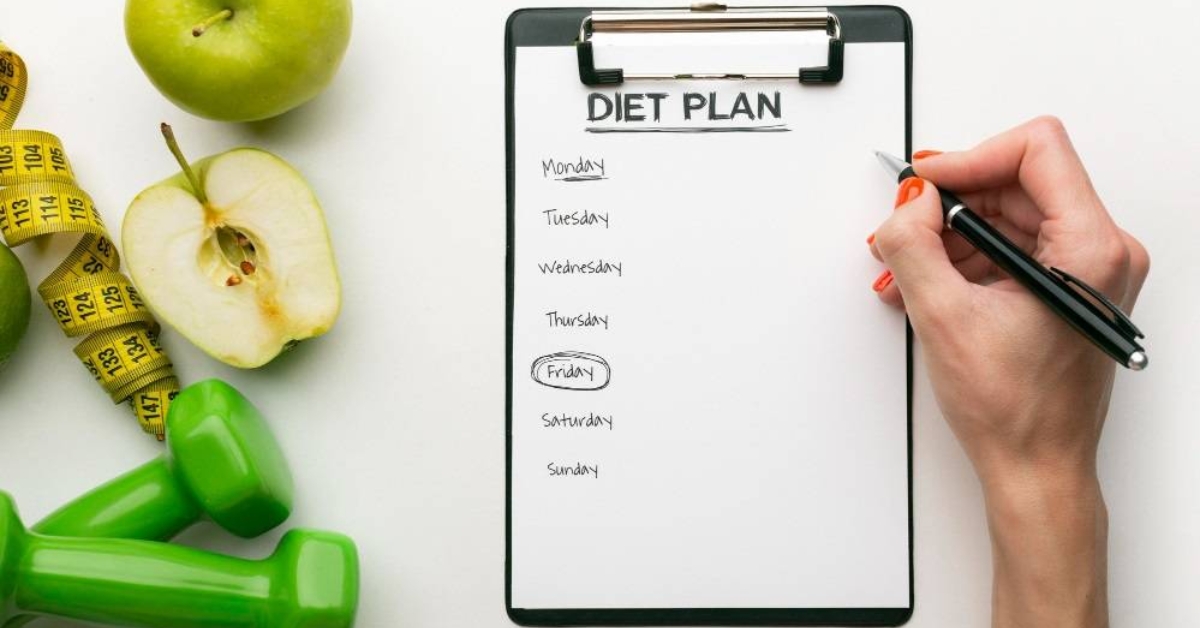
Start your day with a glass of warm water infused with lemon and honey. Trust me, that’s your body’s gentle wake-up call.
Breakfast could be a bowl of upma loaded with veggies or moong dal chilla – protein-rich and light enough to keep insulin spikes calm.
Lunch brings in the magic of a balanced thali: brown rice or millet roti, a generous serving of dal or rajma, lots of greens like spinach or fenugreek leaves, and a side of fresh curd. This combo keeps your blood sugar steady while feeding those starving hair follicles and tired ovaries.
Snack time could be roasted chana or a handful of nuts – because cravings don’t disappear; they just get smarter.
Dinner should be simple and soothing—a bowl of vegetable soup or khichdi with a tempering of mustard seeds and curry leaves. This keeps digestion happy and hormones less cranky overnight.
What if you sprinkled fenugreek seeds soaked overnight into your meals, or added cinnamon to your tea? These little warriors help balance blood sugar in ways medicine sometimes can’t capture.
Are You Ready To See Your PCOD Diet As More Than Just A List of NOs?
The walls around you might be built with confusion and frustration, but what if the doorway is a well-crafted diet chart? Not perfect, not restrictive, but real—spiced with love and understanding for your body.
Maybe tomorrow, your relationship with food won’t feel like a battlefield but a daily ritual of reclaiming you.
So here’s a thought to leave you hanging: What’s the one dish you’ve been avoiding because you thought it was your PCOD enemy? What if it wasn’t?