

I used to think my ex’s social media posts were just harmless updates vacation selfies, quotes about “healing,” and endless stories of how “happy” they were. But deep down, something felt off. Every photo seemed aimed at me, every caption a subtle jab. That’s when I started to realize the truth: narcissists use social media as a weapon.
For a narcissist, social media isn’t just for sharing moments it’s a stage for control, validation, and manipulation. They post to provoke reactions, flaunt their “new life,” or rewrite the story to make themselves the hero (and you the villain). And if you’ve ever felt that sting of seeing them post something calculated right after an argument or breakup — you’re not imagining it.
In this post, we’ll break down how narcissists weaponize social media from the way they curate their image to the subtle tactics they use to keep you emotionally hooked. More importantly, you’ll learn how to spot these patterns and protect your peace in a digital world that narcissists love to exploit.
The Narcissist’s Playground: Why Social Media Appeals

Narcissists thrive in environments where they can receive constant attention and admiration. Social media provides the perfect stage, offering tools like likes, comments, and shares, which serve as fuel for their ego.
These platforms also allow for image crafting—a key tactic in the narcissist’s arsenal. By carefully curating posts and projecting an idealized version of themselves, they create a façade that attracts admiration while concealing their true nature.
Moreover, the anonymity and reach of social media allow narcissists to operate in ways that amplify their control. They can simultaneously manage multiple personas, target numerous individuals, and escape accountability with ease.
How Narcissists Weaponize Likes and Validation

Narcissists are experts at exploiting the validation cycle. Here’s how they do it:
- Posting for Maximum Impact: They often post content designed to garner attention, such as provocative statements, lavish displays of wealth, or highly filtered selfies. This hooks their audience into providing the likes and comments they crave.
- Manipulating Through Engagement: A narcissist may shower you with likes and comments to win your trust. Once they’ve hooked you, they can withdraw that attention as a form of punishment or control.
- Using Social Proof: High follower counts or engagement levels are used to create an illusion of popularity and credibility, making it harder for others to question their motives.
This addiction to validation doesn’t just impact the narcissist. It entangles their victims, making them complicit in a toxic cycle that reinforces the narcissist’s behavior.
Lies and Image Management
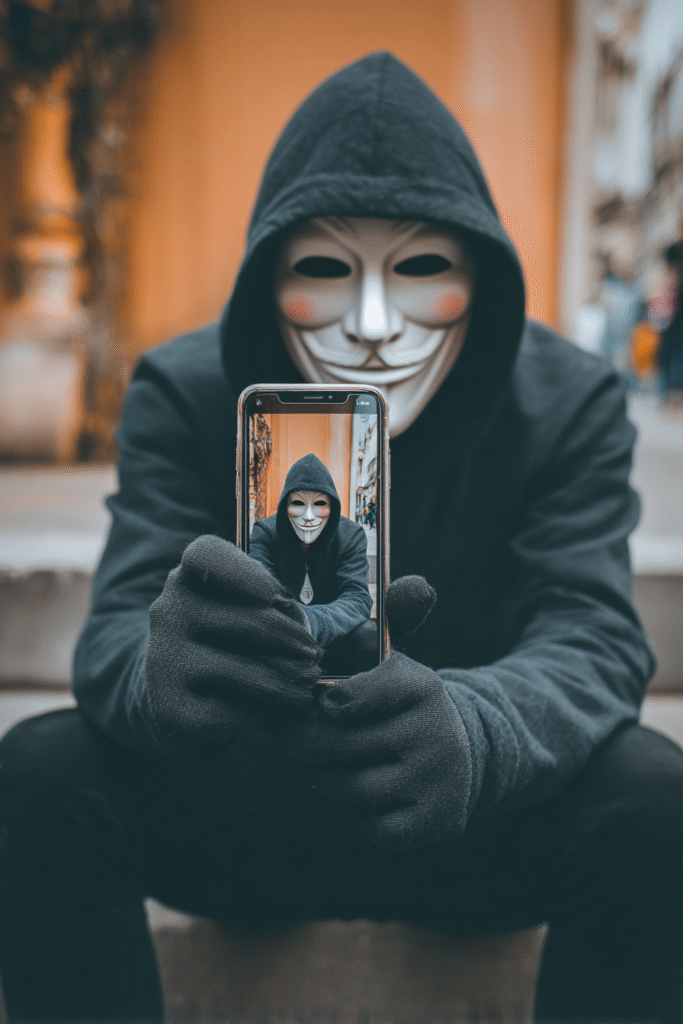
Social media enables narcissists to fabricate a carefully curated identity. This “ideal self” can be vastly different from who they truly are, and they use this persona to lure in unsuspecting followers or victims.
They may portray themselves as:
- Incredibly successful: Flaunting expensive items or accomplishments that may not even exist.
- Overly generous: Sharing posts about charitable acts or kindness to appear compassionate.
- Victims of circumstances: Using posts about struggles to garner sympathy and manipulate others into supporting them.
These lies serve multiple purposes. They attract admiration, disarm skepticism, and help the narcissist isolate their targets from potential allies who might see through their façade.
Gaslighting and Emotional Manipulation

Narcissists often leverage social media to gaslight and manipulate their victims. Gaslighting involves making someone question their perception of reality, and on social media, this takes unique forms.
- Selective Memory: They may delete comments, untag themselves from posts, or deny online interactions to distort your memory of events.
- Public Shaming: Narcissists might post vague or indirect messages that criticize or belittle someone, forcing the victim to confront them in private while appearing “innocent” to others.
- Love-Bombing and Ghosting: They alternate between overwhelming their targets with affection and attention (love-bombing) and withdrawing completely (ghosting), leaving the victim confused and emotionally dependent.
The goal is to keep their targets in a state of self-doubt and emotional vulnerability, making them easier to control.
The Role of Flying Monkeys

A common tactic in narcissistic manipulation is the use of “flying monkeys”—people who unknowingly or knowingly support the narcissist in their schemes. Social media makes it easy for narcissists to recruit these enablers by:
- Portraying themselves as victims to rally sympathy and support.
- Sharing selective or false narratives to turn others against their target.
- Encouraging their followers to harass or criticize someone on their behalf.
These enablers amplify the narcissist’s power, making it even harder for the victim to escape the cycle of manipulation.
How to Spot the Signs

Protecting yourself starts with recognizing the red flags. Here are some warning signs that someone might be using social media in a manipulative way:
- Over-Curated Profiles: Their social media presence seems too perfect, with no room for flaws or vulnerability.
- Excessive Self-Promotion: Posts are predominantly about their achievements, possessions, or appearance, with little interest in others.
- Inconsistent Behavior: They act supportive in public but criticize or demean you in private.
- Vague-Sharing: They post cryptic messages designed to provoke curiosity or sympathy but never provide clear explanations.
- Patterns of Conflict: They often have public feuds or drama with others, portraying themselves as the victim each time.
Trust your instincts. If someone’s behavior feels manipulative or disingenuous, it probably is.
Taking Action: How to Protect Yourself

Here are practical steps to safeguard your mental and emotional health on social media:
- Limit Engagement: Reduce how often you interact with individuals you suspect of narcissistic behavior.
- Set Boundaries: Don’t feel obligated to respond to messages or comments immediately. Take control of your time and energy.
- Strengthen Privacy Settings: Keep your personal information secure by using the strictest privacy settings available.
- Fact-Check and Verify: Don’t take everything you see at face value. If someone’s claims seem exaggerated, look for external verification.
- Seek Support: If you feel manipulated or harassed, reach out to trusted friends, family, or professionals.
Empowering yourself with knowledge and strategies is the first step in breaking free from toxic online dynamics.
Also Read: Lessons Learned: What I Wish I Knew Before Loving a Narcissist
Encouraging Healthier Social Media Use
Social media isn’t inherently bad. It’s a tool, and its impact depends on how we use it. By fostering self-awareness and critical thinking, we can reduce the influence of narcissistic manipulation online.
Start by curating your feed. Follow accounts that inspire positivity, education, and meaningful connection. Unfollow or mute those that promote negativity or make you feel inadequate.
Be mindful of your own behavior as well. Reflect on why you post and whether your content aligns with your values. Encourage authentic connections by engaging with others in a supportive and constructive way.
Closing Thoughts
Narcissists exploit social media’s features to manipulate, control, and deceive. But by recognizing their tactics and taking proactive steps, you can protect yourself and others from falling into their traps.
Remember, your digital space should be a reflection of your values and well-being. By fostering authenticity and awareness, you can reclaim social media as a platform for genuine connection and growth.
Also Read: When the Mask Falls: Understanding Narcissistic Collapse