

You know that moment when your body seems to have its own mood swings, and you’re left wondering if you’re the star of an emotional soap opera? That’s what living with PCOD—Polycystic Ovary Syndrome—often feels like. It’s not just about irregular cycles or weight gain; it’s about feeling like your own worst enemy some days.
For many, yoga is more than downward dogs and peaceful stretches. It becomes a lifeline, a whispered secret between your body and mind when everything feels chaotic. But how exactly can yoga help with PCOD and the stress that comes with it?
What If Your Stress Is Feeding Your PCOD, Not the Other Way Around?
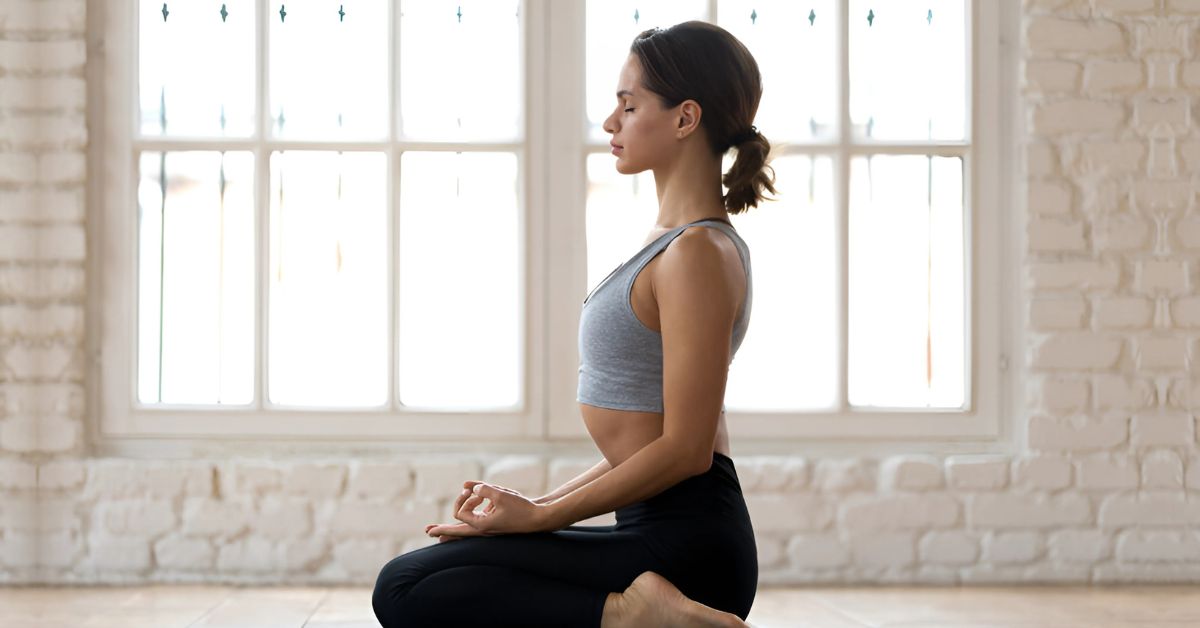
Here’s what I’ve noticed: stress is that sneaky third wheel in your PCOD story. It’s not just the frustration of symptoms but how your stress secretly throws fuel on the hormonal fire. Ever caught yourself rehashing the same worries late at night, only to wake up feeling more exhausted? Yeah, that’s stress messing with your system, weaving its way into your body’s delicate balance.
Think about it — you try to eat right, maybe even exercise, but the stress of managing PCOD feels like a storm you’re always in. That’s where yoga steps in, not just as exercise but as a calming conversation with yourself.
The “Aha” Moment: Yoga Isn’t Just a Workout, It’s a Dialogue with Your Body
Imagine sitting in child’s pose, fully surrendering, letting your breath slow, and your tension melt. Suddenly, that tightness in your chest isn’t so sharp, and the whirlwind inside your head quiets down. That’s not coincidence—it’s your body telling you, “I see you.”
Yoga for PCOD isn’t about contorting into Instagram-worthy poses. It’s about giving yourself permission to slow down, to listen deeply. The gentle stretches, focused breathing, and mindfulness create space for your hormones to recalibrate. And here’s the kicker: when you manage stress, your body is more likely to respond positively, easing PCOD symptoms.
Practical Magic: PCOD-Friendly Yoga Poses to Try When You Feel Overwhelmed
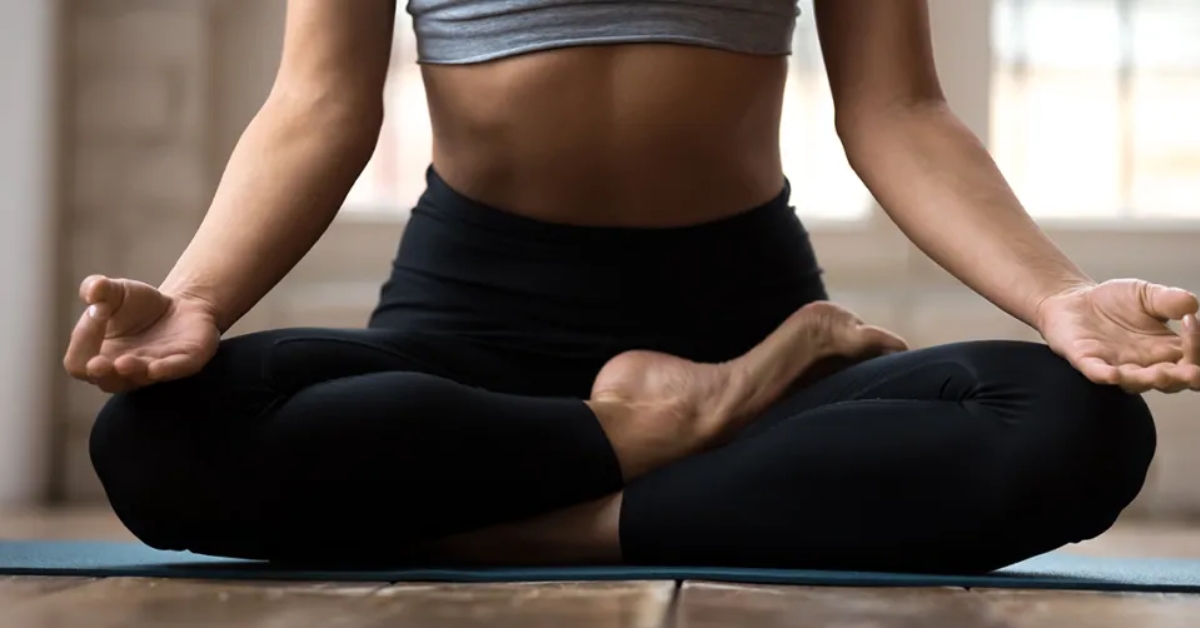
What if you tried these moves the next time stress hits?
- Cat-Cow Pose: Start on all fours and arch your back like a scared cat, then dip like a cow. It’s a simple spine massage that loosens up tension and brings gentle flow.
- Bridge Pose: Lying on your back, lift your hips off the floor. This opens your chest and stimulates the thyroid, a hormone player in PCOD.
- Seated Forward Bend: Stretching forward while seated helps calm the nervous system and soothes anxiety.
- Alternate Nostril Breathing: Close one nostril and breathe through the other, switching sides. It’s like a reset button for your nervous system.
Try to hold each pose with intention, focusing on how your breath moves. It’s less about perfect form and more about presence.
Stress Management Techniques That Don’t Sound Like A Lecture
What if managing PCOD stress wasn’t about pushing through another to-do list of “self-care hacks” but instead about gentle shifts in daily life?
- Notice the “Why”: When stress flares, ask yourself, “What’s really behind this feeling?” Sometimes the answer isn’t PCOD but the frustration of feeling out of control.
- Small Moments Matter: A five-minute meditation or walking outside can do more than an hour of worrying about feeling better.
- Talk, Don’t Keep It Inside: Sharing what’s real—whether with a friend, partner, or therapist—diffuses pressure.
- Celebrate Tiny Wins: Managed a calm breath during a flare-up? That’s progress. Lost 1 pound? Progress. Didn’t make it to the gym? Still showing up by practicing kindness to yourself.
So, What Now?
Here’s the cliffhanger: PCOD might feel like a relentless plotline, but the narrative shifts when stress stops driving the story. What if the yoga mat becomes a place where you rewrite your script—a place where stress unwinds, hormones find peace, and you find your center again?
Maybe the biggest secret is that managing PCOD isn’t about battling your body—it’s about befriending it. So next time stress whispers, “Not again,” what if you just breathed instead?